One death is a tragedy,
a million deaths is a statistic.
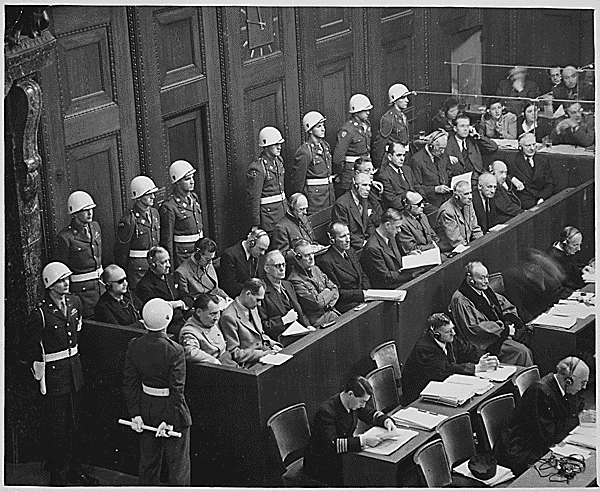
Original Caption: “Nuremberg Trials. Looking down on defendants dock, circa 1945-1946.”
Local ID: 238-NT-592 (NAID 540127)
Nuremberg Code 1947
- The voluntary consent of the human subject is absolutely essential.
- The experiment should be such as to yield fruitful results for the good of society.
- The experiment should be so designed and based on the results of animal experimentation and a knowledge of the natural history of the disease.
- The experiment should be so conducted as to avoid all unnecessary physical and mental suffering and injury.
- No experiment should be conducted where there is an a priori reason to believe that death or disabling injury will occur.
- The degree of risk to be taken should never exceed that determined by the humanitarian importance of the problem to be solved by the experiment.
- Proper preparations should be made and adequate facilities provided to protect the experimental subject against even remote possibilities of injury, disability, or death.
- The experiment should be conducted only by scientifically qualified persons.
- During the course of the experiment the human subject should be at liberty to bring the experiment to an end.
- During the course of the experiment the scientist in charge must be prepared to terminate the experiment at any stage, if he has probable cause to believe, in the exercise of thegood faith, superior skill and careful judgment required of him that a continuation of the experiment is likely to result in injury, disability, or death to the experimental subject.
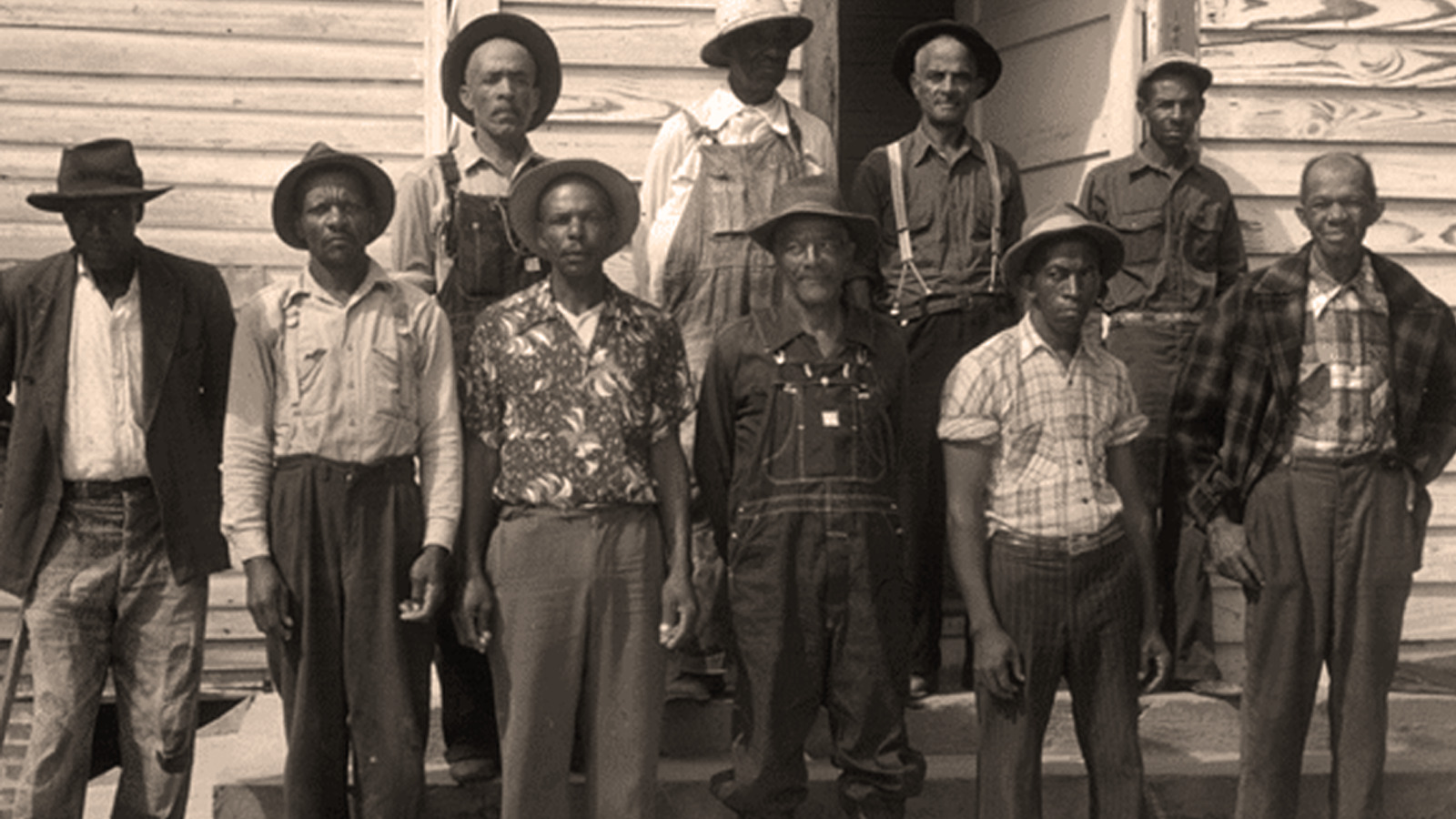
Courtesy of ASPPH
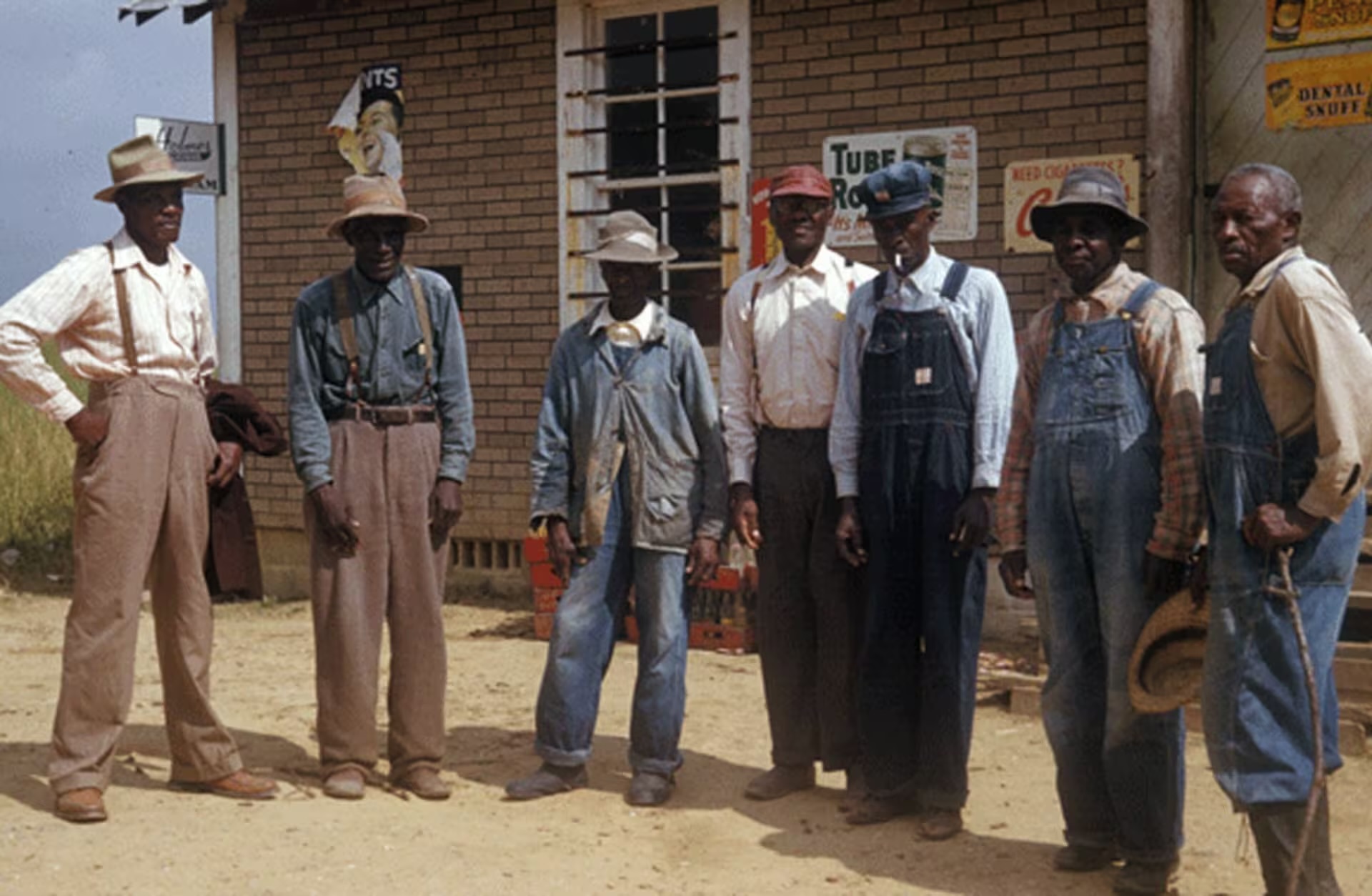
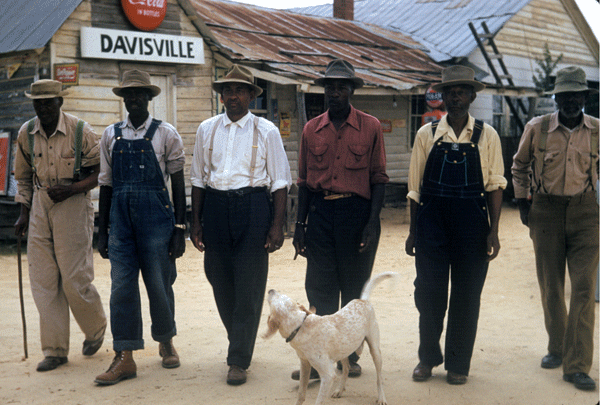
Tuskegee Syphilis Study
- An absolutely despicable experiment by the Center for Disease Control and the United States Public Health Service to study the historical progression of untreated syphilis in black men between 1931 – 1972.
- 399 men would end up infected with syphilis and 201 uninfected men were used as a control in the study; none of the infected men were told the implications of being given syphilis or that there was an effective treatment once penicillin was used as a treatment and it was withheld including those volunteering for WWII, they were told it was a study for “bad blood”.
- The impact on the wives, girlfriends and children weren’t told to the participants in the study, they also weren’t told of the life threatening consequences of the study.
- By the end of the study, 128 of the men in the tests had died while 40 of the wives had contracted it and 19 children were born with syphilis. The CDC had made it fairly clear they were going to continue with the study until all of the participants had died.
Courtesy of History Channel

Courtesy of NBC News. Christopher Renega
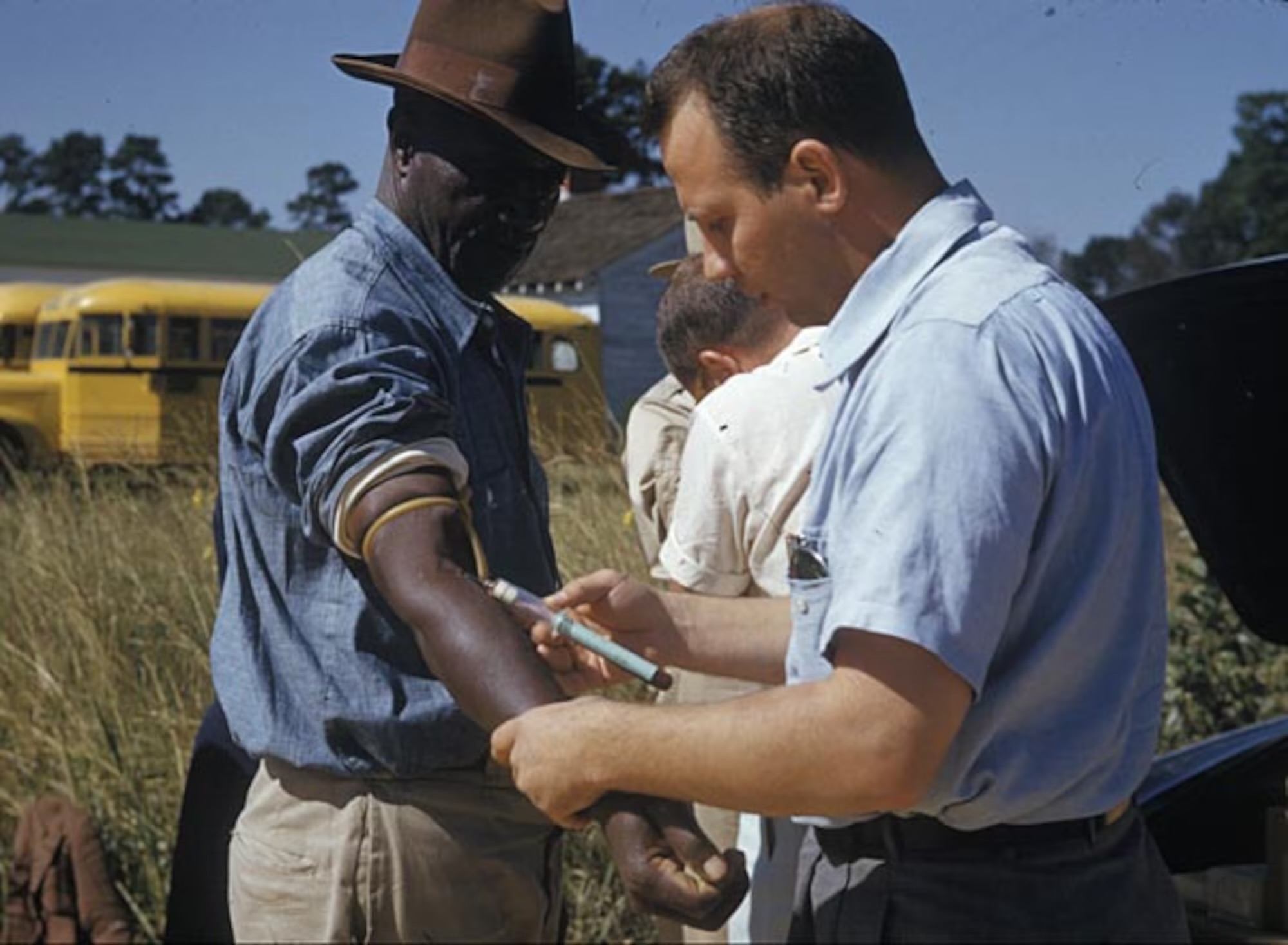
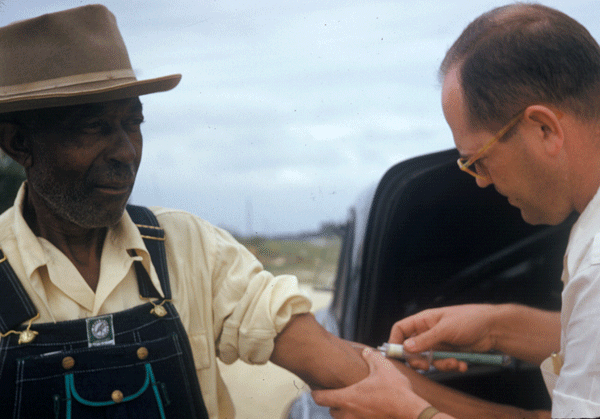
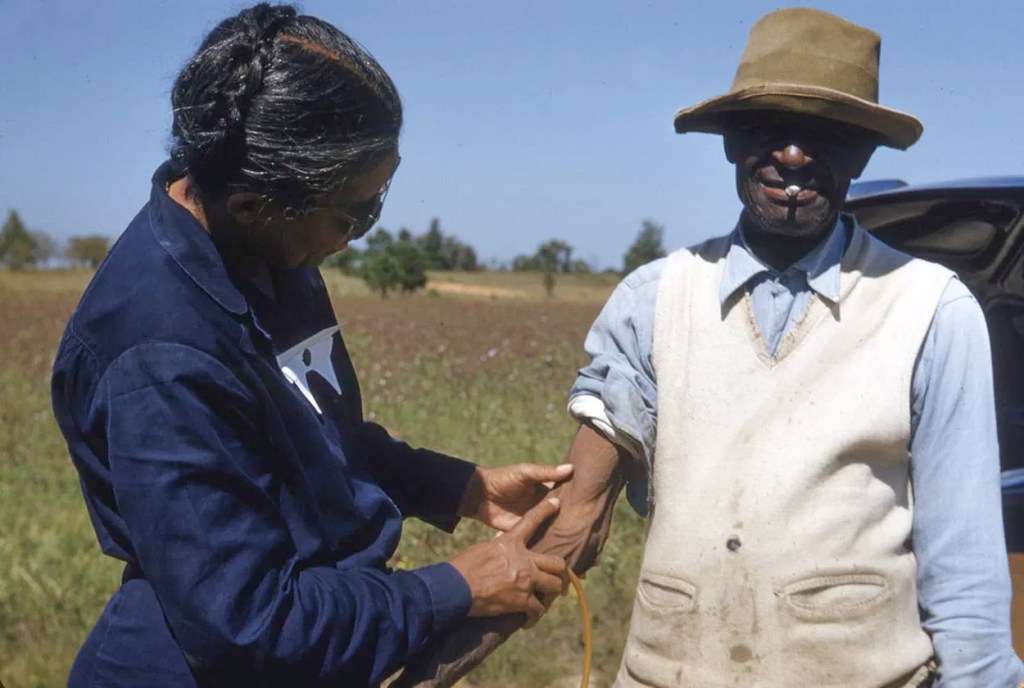
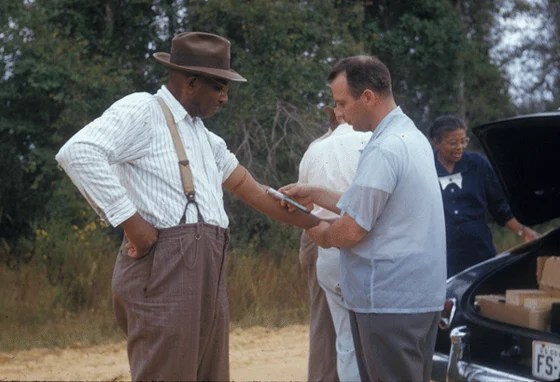
Courtesy of NBC news
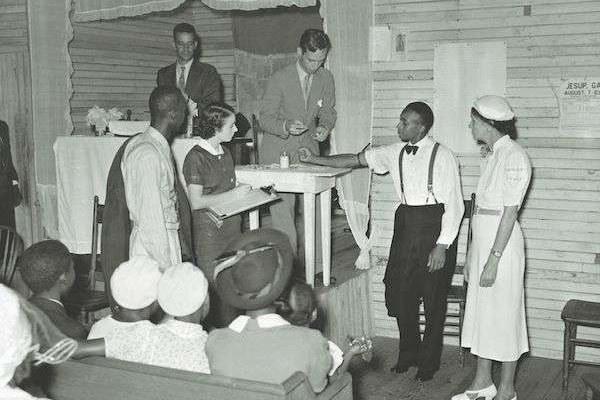
Courtesy of Eastern Connecticut State University
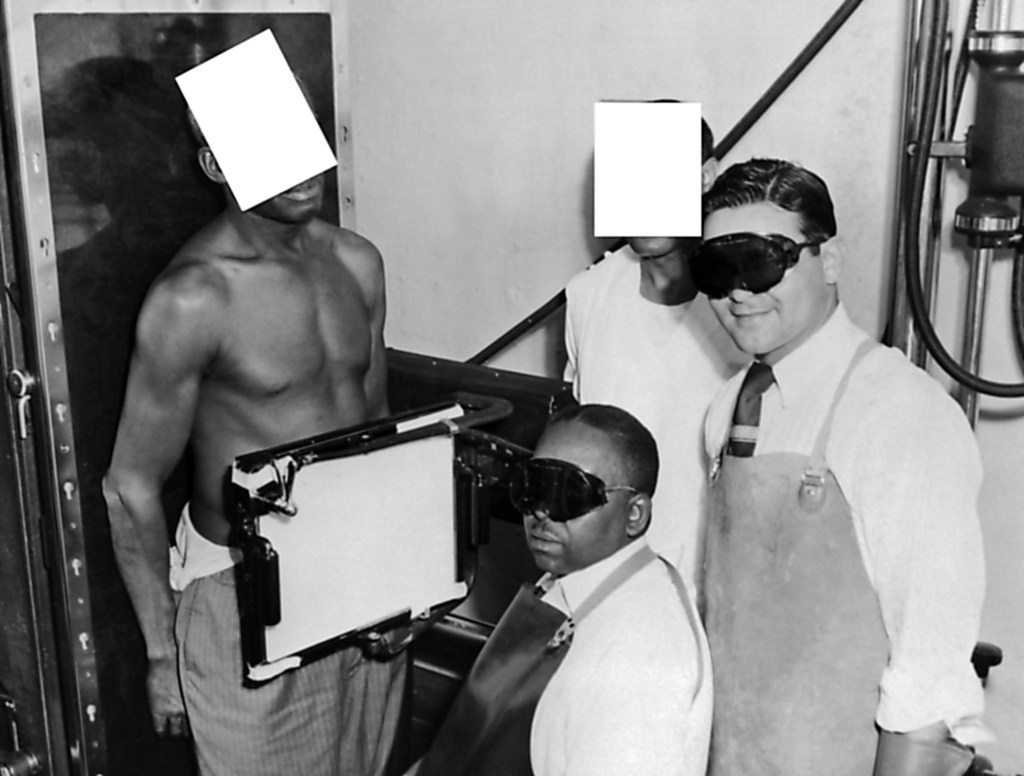
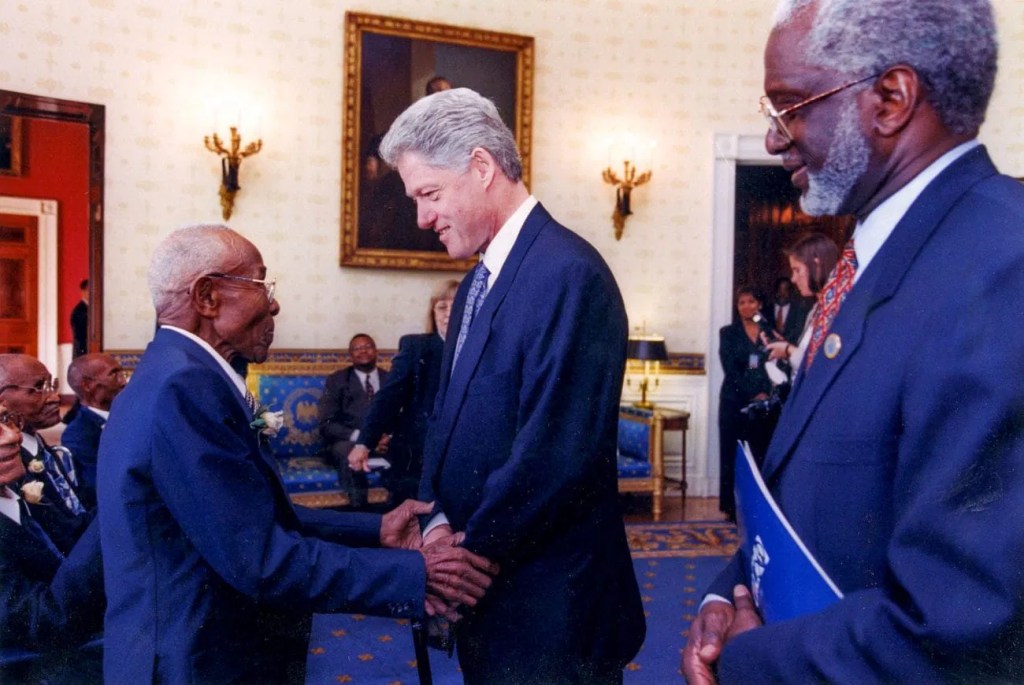
during a White House Ceremony with a formal apology to the survivors
Courtesy of Encyclopedia of Alabama
Infecting Guatemalan citizens with Sexually Transmitted Infections
- The United States government apologized in 2010 to Guatemala for experimenting in the 1940s on over 1,300 soldiers, hospital patients and registered sex workers with syphilis, gonorrhea and chancroid.
- The doctors never received informed consent of the people involved, nor did they provide a majority of the Guatemalans infected with a treatments, including penicillin. After the initial start of the project, the doctors did blood draws and invasive medical inspections of orphans, hospital patients and school children to see the prevalence of STI’s in the country because American and Guatemalan doctors wanted to know if the various prophylaxis solutions they prepared had prevented the spread of syphilis.
- One method used to infect patients was to scrape skin off of the penises and dripping the solution onto the flesh for an hour or two.
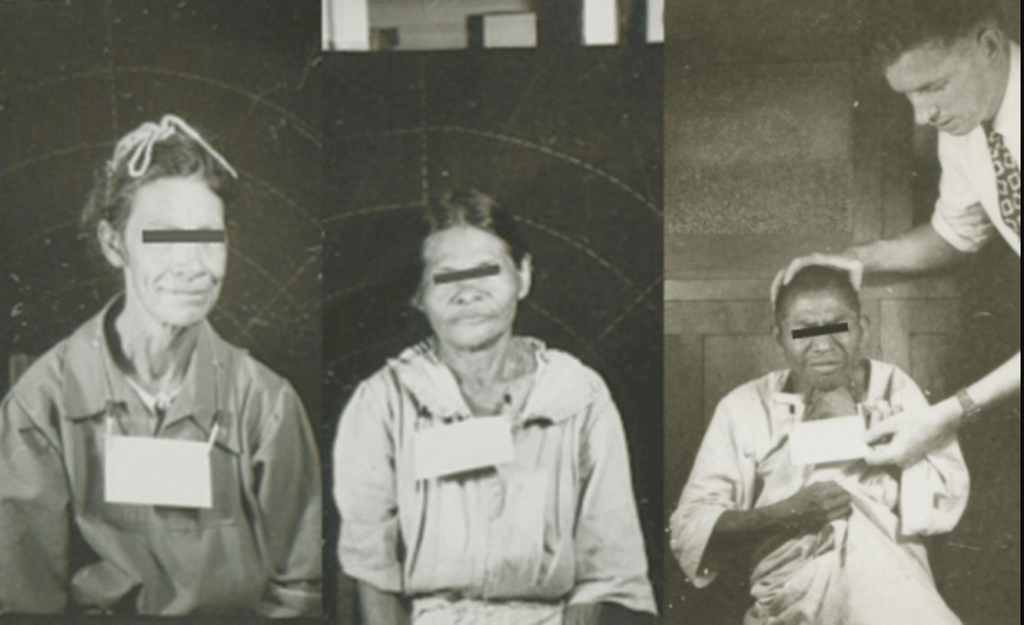
Berta was a female patient in the psychiatric hospital. Her age and the illness that brought her to the hospital are unknown. In February 1948, Berta was injected in her left arm with syphilis. A month later, she developed scabies (an itchy skin infection caused by a mite). Several weeks later, [lead investigator Dr. John] Cutler noted that she had also developed red bumps where he had injected her arm, lesions on her arms and legs, and her skin was beginning to waste away from her body. Berta was not treated for syphilis until three months after her injection. Soon after, on August 23, Dr. Cutler wrote that Berta appeared as if she was going to die, but he did not specify why. That same day he put gonorrheal pus from another male subject into both of Berta’s eyes, as well as in her urethra and rectum. He also re-infected her with syphilis. Several days later, Berta’s eyes were filled with pus from the gonorrhea, and she was bleeding from her urethra. On August 27, Berta died.
Rosemary Kennedy
In a quest for exceptionalism, slower progress in life compared to the other Kennedy youth led Joe Kennedy to agree to an experimental procedure, a lobotomy, to make her more “normal”; which led to her losing most of her ability to walk or talk, she was left physically disabled and her personality altered forever. Rosemary was immediately institutionalized upon release
from the hospital.


Special Olympics
Rosemary’s sister, Eunice Kennedy Shriver, was the one who kept a special bond with her while the rest of the family and world seemingly forget she was around til her later years. Eunice would start Camp Shriver to bring special kids needs and sports together, which led to the founding of the Special Olympics.
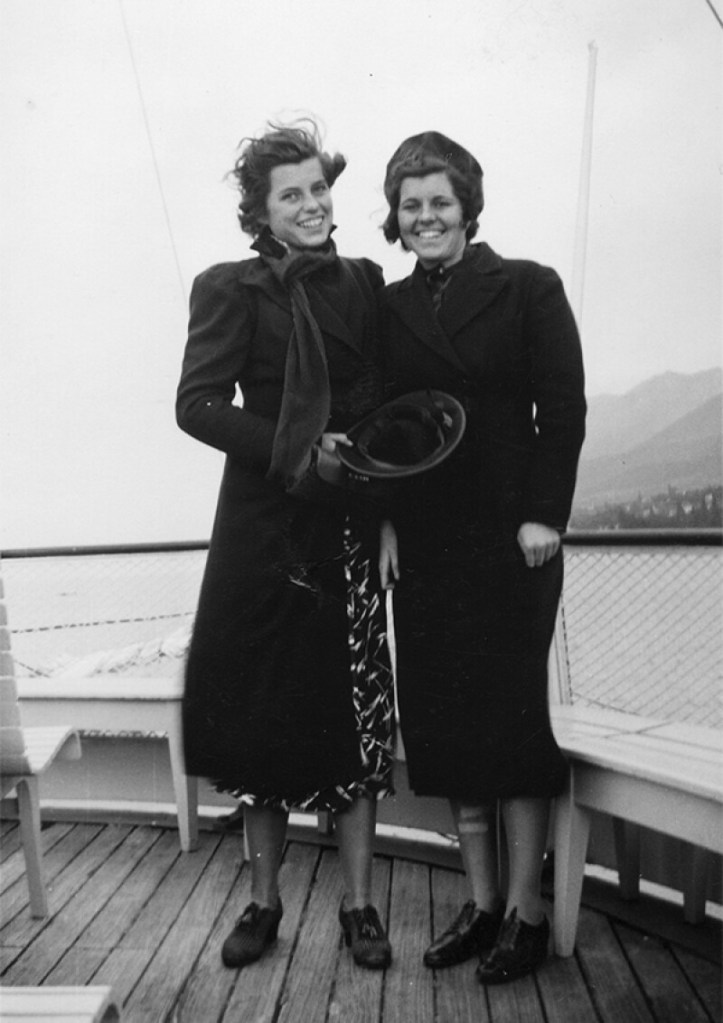
Eunice and Rosemary, right, were close companions all through childhood—and even traveled together on their first tour of Europe.
Ann Cooper Hewitt
She was a young heiress set to inherit a hefty sum from her fathers estate from his passing when she was 7, this was 11 months before her 21st birthday when she would receive the inheritance, her mother considered her an imbecile and she was set to receive two thirds of the inheritance from her fathers estate, unless she remained childless, then her mother would get it all.

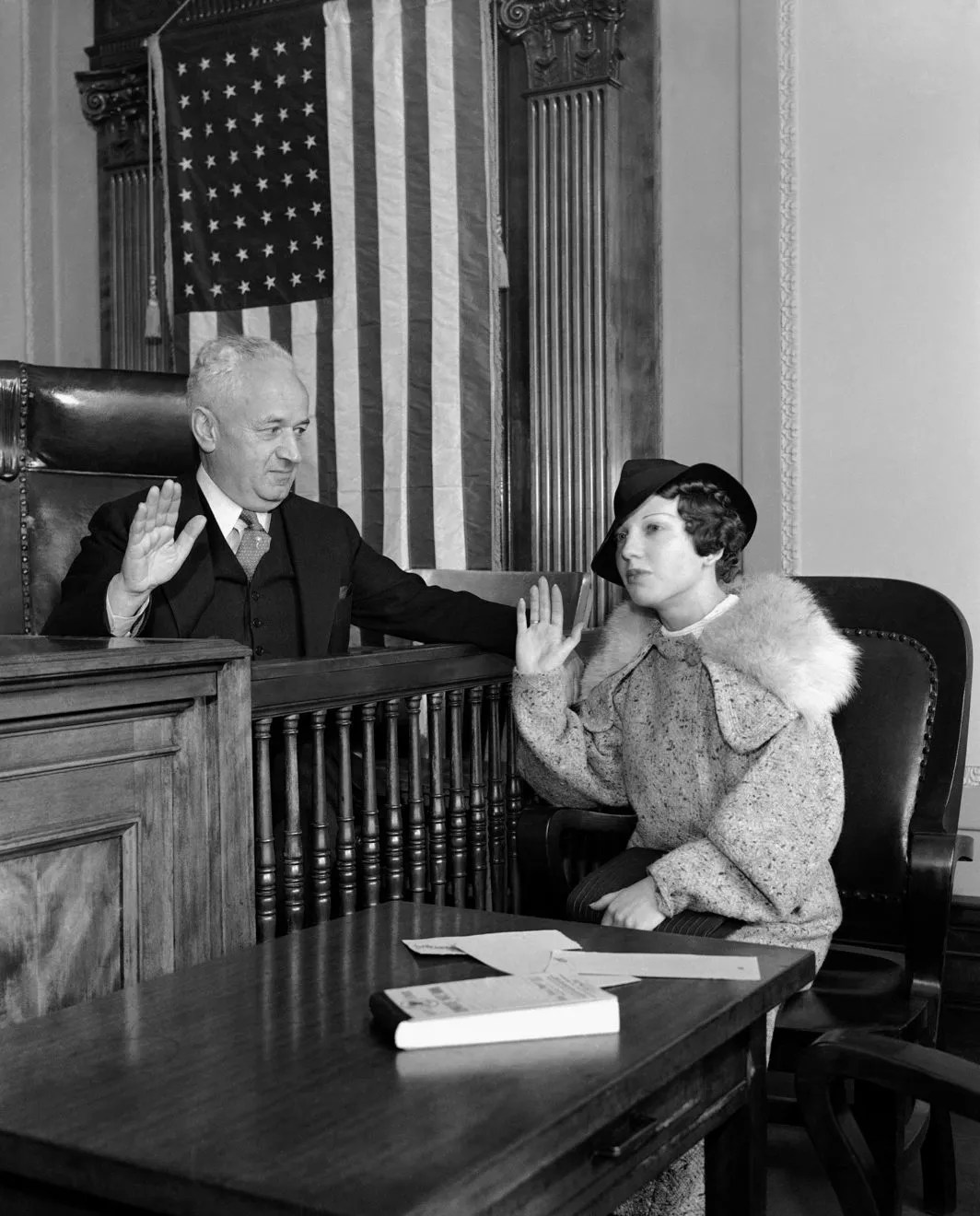
(Photo courtesy AP Photo/RJF)
Sued her mother for half a
million dollars
In 1934, while having a conversation with her mother about becoming an adult, she had a sudden pain in her stomach, they raced to their private physician and he had already assumed she had appendicitis by the time she arrived. Four days later she has her appendix out and they took her tubes while they were at it. Her mother secretly paid two doctors to remove her fallopian tubes, all while her mother and a doctor convinced everyone she was a mental case, an imbecile,
an idiot patient.
Eugenics in America

American Philosophical Society. Courtesy of CNN.
1907, Indiana created the first Eugenic law.
1927 the United States Supreme Court upheld a decision; known as Buck v. Bell, for states rights to be able to forcefully sterilize the people deemed unfit to procreate.
As many as 70,000 people would be forcefully sterilized in state run institutions in the 20th century because of this decision; those who would be referred to as ‘mentally deficient’; the deaf, diseased, blind folks, even minorities and promiscuous women would be included in these involuntary surgeries.
Californias Eugenics laws were an inspiration for the Nazis.
Forced Sterilizations of Native Americans
From 1973-1976 its estimated that somewhere around
25-40% of Native American women were sterilized.
The GAO study showed 3,406 Native American women sterilized without their permission, 36 of which were under 21 and the youngest being only 15. The government subsidized the program, which also had black and Latina women in coerced sterilization.
Forced Sterilizations of Homosexuals
There were a total of 2,648 people in Oregon between 1923-1981 who were forcibly sterilized; whether they had epilepsy, were mentally ill, homosexuals, criminals, promiscuous women, or were residents of a reform school. In 2002, Oregon Governor John Kitzhaber, apologized for the thousands sterilized while in the states care.
Forced Sterilization of black women
In North Carolina, from 1929-1974; 7,600 people were sterilized, over 5,000 of those people are black. It wasn’t until 2003
that involuntary sterilization laws were repealed. In 1973 there were 100–150,000 poor people sterilized annually under federally funded programs. 70% of North Carolina’s sterilizations were done after 1945.
Forced Sterilizations in California inspire Hitler
20,000 people in California between 1909 – 1963 were involuntarily sterilized by the state, a third of all American sterilizations
Even Mary Franco, age 13, because she had been labeled ‘feeble. minded’ because of ‘sexual deviance’; according to her niece who researched
her case.
Forced Sterilizations of Puerto Rican women.
Starting in the 1930s women were coerced or encouraged into sterilization as the only contraception. There were so many women that had sterilizations done that it ended up accounting for a third of all women in Puerto Rico by 1956.
Black women sterilized unknowingly as practice for medical studnts
The Mississippi Appendectomy was the name given to a procedure given to poor black women at teaching hospitals in the south when they would be in for one procedure and end up with an unnecessary hysterectomy.

Henrietta Lacks & HeLa Cells
This young mother of 5 came to John Hopkins Hospital with some ailments and ended up having cervical cancer, the doctor took a sample of the cancer cells and sent them to a researcher who found her cells to do something different than normal, instead of dying like everyone else’s cells, hers would double every 20-24 hours. Those cells are so amazing that they played a crucial role in the polio vaccine, they’re the first in a line of “HeLa cells” so named after Henrietta Lacks, that don’t die.
Ultimately Henrietta never gave her consent to share her cells, nor her family were asked about using her tissue samples nor were they told the cells were being sold by the researchers and others once it left John Hopkins University, even though medical advancements were being made it didn’t reduce the importance of someone’s cells being farmed out for financial gain in the billions at this point and Henrietta’s family haven’t seen a dime from the profits based on her cells taken without consent.
Eventually the National Institute of Health decided to make a new agreement with Henrietta’s family, two family representatives will serve on the NIH group responsible for reviewing biomedical researchers applications for controlled access to HeLa cells, as those are the only ones who will be able to access the cells and yet they’ve still never been financially compensated despite the large wealth gained by those who have benefited from access to these cells.
Researchers who uses the data will be asked to leave an acknowledgment in the publications to the Lacks family.
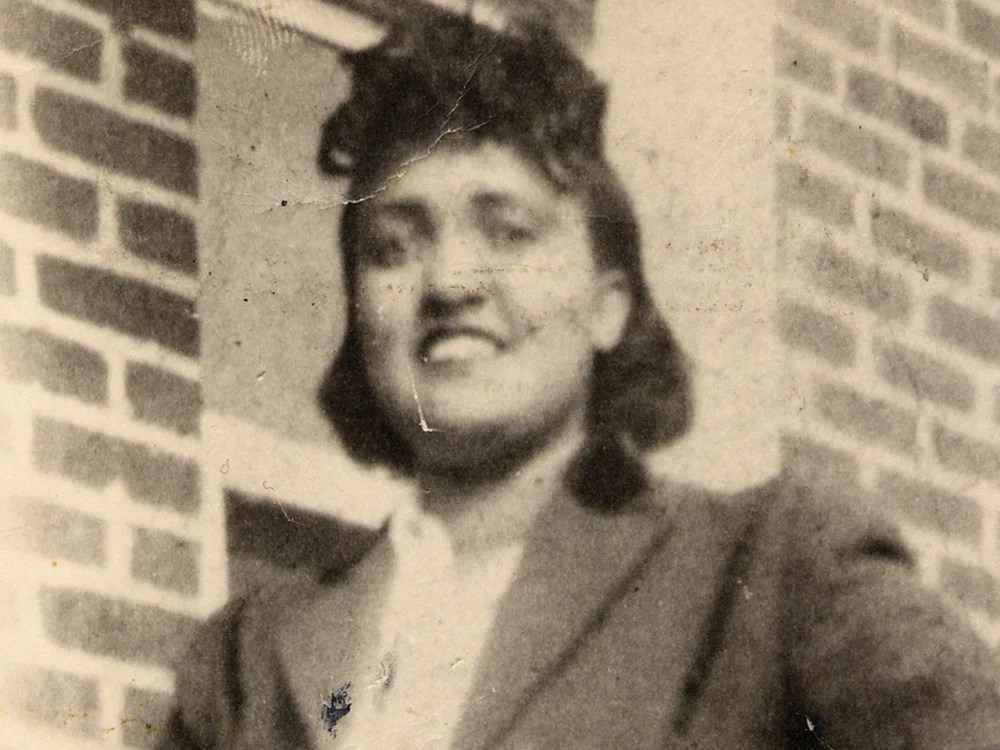
Cells taken from Henrietta Lacks, shown in the 1940s, eventually helped lead to a multitude of medical treatments. But neither she nor her family gave consent
Child Guinea Pigs
Government testing AIDS drugs on
foster kids
It was a wild time to be a foster kid in the 1980’s and 90’s because hundreds of foster kids were used as test subjects often without providing them basic protections, by the Narional Institute of Health. It was based on a hope by the foster care agencies to get some world class medical care and treatment that wasn’t currently in the marketplace for the kids with HIV in the foster care system.
MIT feeding foster kids radioactive oatmeal
At MIT they had a reward for some older kids who joined the science club at the Fernald State School for the “feeble minded” in Massachusetts, where the kids would get trips to Fenway park, promised presents, visits to the seashore and extra oatmeal! The thing is that oatmeal was part of a Quaker Oats nutrition study and it was also radioactive; 74 kids, some with Down syndrome would also be injected with radioactive calcium.
University of Rochester feeding kids radioactive milk
Children were fed radioactive milk by a graduate student at University of Rochester, one of the children would end up developing thyroid cancer. Data released in the 1990’s detail 100 experiments conducted by the federal government and its contractors from 1945 to the mid 1970s with 9,000 subjects including Peruvian Indian mine workers, children and even infants.
MIT feeding foster kids radioactive Quaker Oats & MIT feeding kids with Down syndrome radioactive oatmeal
Treating kids with Down syndrome as Guinea pigs and bribing them with ‘special perks’ like tickets to Boston Red Sox games, trips off school grounds and lots of free breakfast…
breakfasts full of radioactive oatmeal.
hepatitis Study
on children
In an effort to find a vaccine for syphilis at a school for children with ‘mental retardation’ in 1956 – 1971, the doctors were deliberately infecting kids with hepatitis, dismissed by the doctor as the kids will likely get it anyway as they live in unsanitary conditions.

Testing plutonium Process on Terminally ill
Between 1944 – 1974 there were over 4,000 federally funded radiation experiments conducted, one of the worst was several universities testing on 18 patients, most who were terminally ill, to see how the radioactive element would move through the body.
Vanderbilt Study
In 1945-1947, there were 829 poor, pregnant white women were given tracer doses of radioactive iron at Vanderbilt University; who was working with or funded by the Tennessee Dept. of Health, Rockefeller foundation, Monsanto and the Public Health Service. The women were given “vitamin drinks” and told it would improve the health of their babies, instead at least 7 of them died from cancers and leukemia,
Manhattan Project
Scientists working on the Manhattan Project needed to have a controlled experiment on humans, so they made a plan to inject radioactive elements including plutonium, uranium and polonium into what ended up being a total of 30 civilian patients.
Testing plutonium Process on Terminally ill
Between 1944 – 1974 there were over 4,000 federally funded radiation experiments conducted, one of the worst was several universities testing on 18 patients, most who were terminally ill, to see how the radioactive element would move through the body.
Vanderbilt Study
In 1945-1947, there were 829 poor, pregnant white women were given tracer doses of radioactive iron at Vanderbilt University; who was working with or funded by the Tennessee Dept. of Health, Rockefeller foundation, Monsanto and the Public Health Service. The women were given “vitamin drinks” and told it would improve the health of their babies, instead at least 7 of them died from cancers and leukemia,
Looking for detecable kidney Damage
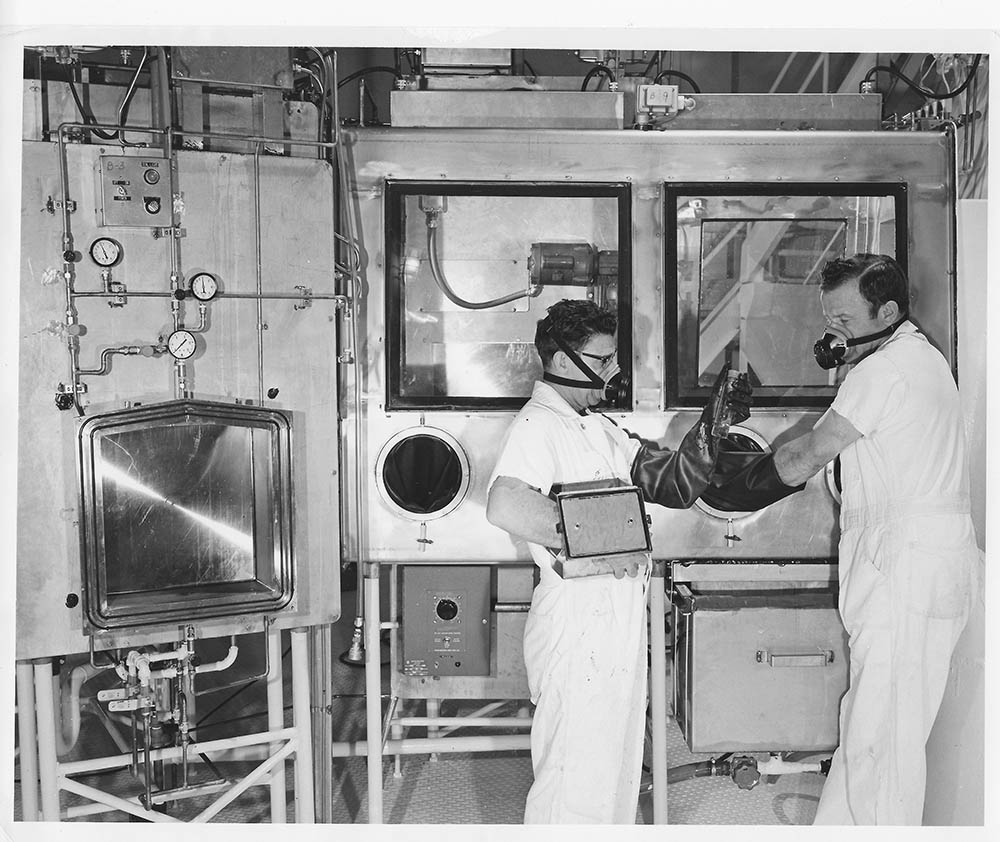
At the Strong Memorial Hospital in Rochester there was an annex built to study the toxicity of radioactive isotopes including plutonium, polonium and uranium. Between 1946 – 1947 there were 6 patients injected with uranium with the goal of finding out the minimum dose that would produce detectable kidney damage. The purpose of the test was meant to produce a harmful reaction in the subjects.
Jewish Chronic Disease Hospitsl
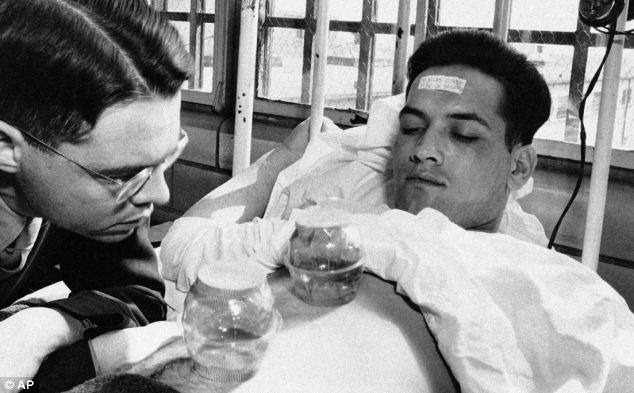
In the 1950s a doctor started a series of studies that involved injecting live tumor cells in cancer patients; wanting to see the effects in healthy patients he went to Ohio State Penitentiary and found a hundred volunteers to also be injected with live tumor cells.
In 1963, the same doctor decided to inject live tumor cells into 22 elderly patients from the Jewish Chronic Disease Hospital who had not consented or knowledge of the experiments were involved in these experiments.
The Malaria Project
Taking strains of malaria from naturally infected soldiers and injecting the malaria into people with syphilis and schizophrenia, thousands of mental patients at 8 hospitals were made and kept ill so their blood could be used in clinical drug trials.
Cincinnati Radiation Experiments
Testing was done at Cincinnati General Hospital from 1960 – 1971 on at least 90 patients with advanced cancer, with both partial and full body irradiation tests to determine how soldiers would be affected by large doses of radiation on the battlefield. It was done without the consent of those being experimented on, the irradiated patients experienced nausea, vomiting, cognitive impairment, hemorrhaging
and death.
Within 2 months of radiation exposure 25% of the victims died and 3/4ths of the victims died within a year of exposure.
This test included three children,
ages 9, 10 and 13.
Human Hepatitis Study
For 3 decades between 1942-72 researchers were deliberately infecting people with hepatitis, several thousand people would be test subjects; to include mental patents, institutionalized kids, conscious objectors, and prison inmates.
Create anything
Welcome to a world of limitless possibilities, where the journey is as exhilarating as the destination, and where every moment is an opportunity to make your mark on the canvas of existence. The only limit is the extent of your imagination.
Create anything
Welcome to a world of limitless possibilities, where the journey is as exhilarating as the destination, and where every moment is an opportunity to make your mark on the canvas of existence. The only limit is the extent of your imagination.
“Although these experiments did provide information on the retention and absorption of radioactive material by the human body, the experiments are nonetheless repugnant because human subjects were essentially used as guinea pigs and calibration devices.”
– “American Nuclear Guinea Pigs: Three Decades of Radiation Experiments on U.S. Citizens,”
Congressional Subcommittee on Energy Conservation and Power, 1986
   A later section of this report, Description of Human Radiation Experiments, provides details on 31 experiments, during which about 695 persons were exposed. Experiments are listed by Category and Number as designated by the Department of Energy. Some of the more repugnant or bizarre of these experiments are summarized below
      During 1945 to 1947, as part of the Manhattan Project, 18 patients who were diagnosed as having diseases which gave them expected survivals of less than 10 years were injected with plutonium, to measure the quantity retained by the human bed. These experiments were carried out at the Manhattan District Hospital at Oak Ridge, Tennessee; Strong Memorial Hospital in Rochester, New
York; the University of Chicago; and the University of California. San Francisco. Despite the original diagnoses, seven of these patients lived longer than 10 years, and five lived longer than 20 years. Internal investigations by the Atomic Energy Commission found that informed consent was not granted in the initial experiments, since even the word "plutonium" was classified during World War II; and living patients were not informed that they had
been injected with plutonium-until 1974. (Category 1.001, Number 1)
     From 1961 to 1965 at the Massachusetts Institute of
Technology, 20 subjects aged 63 to 83, were injected or fed radium or thorium to estimate internal doses and to measure passage of these substances through their bodies. Many of these subjects came from the nearby Age Center of New England, a research facility established to investigate the process of aging and the needs of the elderly. These experiments thus represent a perversion of the Center's original purpose, since feeding the subjects radium and thorium did not benefit them as individuals or the elderly population as a whole. (Category 1.002, Number 118).
     During the 1960s, at the Los Alamos Scientific Laboratory, 57normal adults were fed microscopic spheres containing radioactive uranium and manganese. These experiments were designed to determine how fast such spheres would pass through the human body after
ingestion. It was believed that particles of this size could be produced by the atmospheric reentry and burnup of rockets propelled by nuclear reactors, or of radioactive power supplies. (Category 1.003, Number 106).
     During 1946 and 1947, at the University of Rochester, six patients with good kidney function were inject with uranium salts to determine the concentration which would produce renal injury. One patient was diagnosed as being in a "hallucinatory state," another was considered suffering from "emotional maladjustment," and a third, admitted to the hospital for a fifth time, was described as follows: "As he had no home, he agreed willingly to
enter the metabolic unit for special studies." (Category 1.003, Number 119).
     From 1963 to 1971, 67 inmates at Oregon State Prison and 64 in mates at the Washington State Prison received x-rays to their testes to examine the effects of ionizing radiation on human fertility and testicular function. These experiments were conducted by the Pacific Northwest Research Foundation and the University of Washington. Subjects had to agree to receive vasectomies after
completion of the experiments. The Energy Research and Development Administration planned to begin medical follow up of the irradiated prisoners, but these plans were dropped in 1976 at the request of the U.S. Attorney in Portland after several irradiated inmates filed suits against state and federal governments. (Category 2.001, Number 2 and Category 2.002, Number 189).
     From 1953 to 1957, at Massachusetts General Hospital, Boston, approximately 12 terminal brain tumor patients were injected with uranium to determine the dose at which kidney damage began to occur. Most of the patients were described as comatose or in a "semi-coma." (Category 9.001, Number 166).
     From 1963 to 1965, at the Atomic Energy Commission National Reactor Testing Station in Idaho, radioactive iodine was purposely released on seven separate occasions. In one of these experiments, seven human subjects drank milk from cows which had grazed on iodine-contaminated land. This experiment was designed to measure the passage of iodine through the food chain into the thyroids of
human subjects. In a second experiment, three human subjects were placed on the pasture during iodine release, and seven subjects were placed on the pasture in a third experiment. In addition, "several" individuals were contaminated during yet another experiment when vials of radioactive iodine accidentally broke. Cows grazed on contaminated land and their milk was counted in four of the experiments; in the remaining three, radiation measurements were made only in the pasture. (Category 10.001, Number 173).
     During May 1945, at the Clinton Laboratory, Oak Ridge, Tennessee, two groups of 10 subjects were exposed to beta rays, to determine the dose that would begin to cause reddening of the skin. (Category 11.001, Number 51).
     During 1951 and 1952, at least 14 human subjects were exposed to tritium in air, by immersion of body parts in water, or by drinking. These experiments were designed to measure the retention or excretion of tritium by the human body. The experiments were carried out by the Los Alamos Scientific Laboratory, or the General Electric Company in Richland, Washington. (Category 11.001, Numbers
112, 123, 125, 126, 127).
     During 1956, the US Air Force sent manned planes through radiation clouds from atomic bomb tests at Eniwetok and Bikini Atolls in the Pacific to measure radiation doses in the clouds and to the crew. (Category 11.001, Number 133).
     During the early 1950s.  Foster D. Snell, a consulting firm, carried out experiments for the U.S. Army  by placing "synthetic" radioactive soil on the hands of about 118 subjects, and measuring the ability of different cleaning agents to remove the contamination. (Category 11.001, Number 134).
     From 1961 to 1963, at the University of Chicago and Argonne National Laboratory, 102 human subjects were fed real fallout from the Nevada Test Site; simulated fallout particles that contained strontium, barium, or cesium; or solutions of strontium and cesium. This experiment was designed to measure human absorption and retention of these radioactive substances. (Category 11.001, Number 186, Part A).
      During the early 1960s. at the Oak Ridge Institute for Nuclear Studies, 54 hospital patients with normal intestinal tracts were fed lanthanum-140. This experiment was designed to measure the rate at which this radioactive substance passed through the body. (Category 11.001, Number 186, Part B).
     During the late 1950s, at Columbia University and Montefiore Hospital, the Bronx, 12 terminal cancer patients were injected with radioactive calcium and strontium. This experiment was designed to compare the distribution of these two substances among body tissues
after autopsy. (Category 12.001, Number 15).
     In 1967 at the Hanford Environmental Health Foundation and the Battelle Memorial Institute, both at Richland, Washington, radioactive promethium was administered to 14 subjects by injection or drinking. These experiments were designed to measure the passage
of this substance through the body and the ability of a drug (chelatirig agent) to increase the removal of promethium. (Category 12.001. Number 110).
     During 1963, at the Battelle Memorial Institute, Richland, Washington, five subjects were injected with radioactive phosphorus. In addition, five subjects were fed fish from the Columbia River which contained radioactive phosphorus, produced and discharged into the river by reactors at the Atomic Energy Commission's Hanford Site. These experiments were designed to
estimate the doses to humans eating contaminated fish. (Category 1001, Number 111).
     In many of the reported experiments, radiation was used as treatment for diseases which were resistant to more conventional methods. Most frequently, radiation were used in attempts to treat cancer, leukemia, or other malignant disorders of the, blood. The Subcommittee staff does not question these applications, since patients were irradiated in an attempt to treat their diseases, and
in some cases the treatment was successful. In these cases the radiation exposure was meant to carry some medical benefit for patients, and observation of the effects of exposure, which enhanced  understanding of radiation effects, was incidental to the treatment. In some cases, however, long term medical follow up of the surviving patients, which might have provided information for
useful comparison with other treatments that might seem promising, was not conducted.
  The studies provided by the Department of Energy  demonstrate the need for long term medical follow-up.Category 10.00 1. Number 69, describes a retrospective study on the health of humans exposed to radioactive iodine, and includes as a study population the group of
Marshallese Islanders exposed to fallout from early atomic bomb tests. This report notes that thyroid nodules, produced by exposure to radioactive iodine, did not first appear among inhabitants of the atoll - with the highest fallout until 9 years after the testing. Nodules began appearing some years later among inhabitants of atolls where the doses were lower; and after 22 years, nodules
were still being observed.
     If there is one thing the government can do for these
experimental victims and their families, even at this late date, it is to conduct long term medical follow up of populations exposed to radioactive material. That practice has been adopted by the Defense Department through its Nuclear Test Personnel Review, a registry for military personnel exposed to fallout from atmospheric nuclear
tests. The primary objectives of the Review are to identify the approximately 200.000 Defense Department personnel involved in such tests. to determine their exposures, to identify incidence of death or illness, and to assist veterans in claims for compensation. If this effort can be carried out for military personnel acting in
the line of duty, surely a similar effort should be possible for the far smaller number of peaceful atomic soldiers used as human subjects in radiation experiments.
Edgewood Arsenal Experiments
‘Chamber Tests with
Human Subjects’ -1943
US Army testing mustard
gas and other chemicals on
African American skin
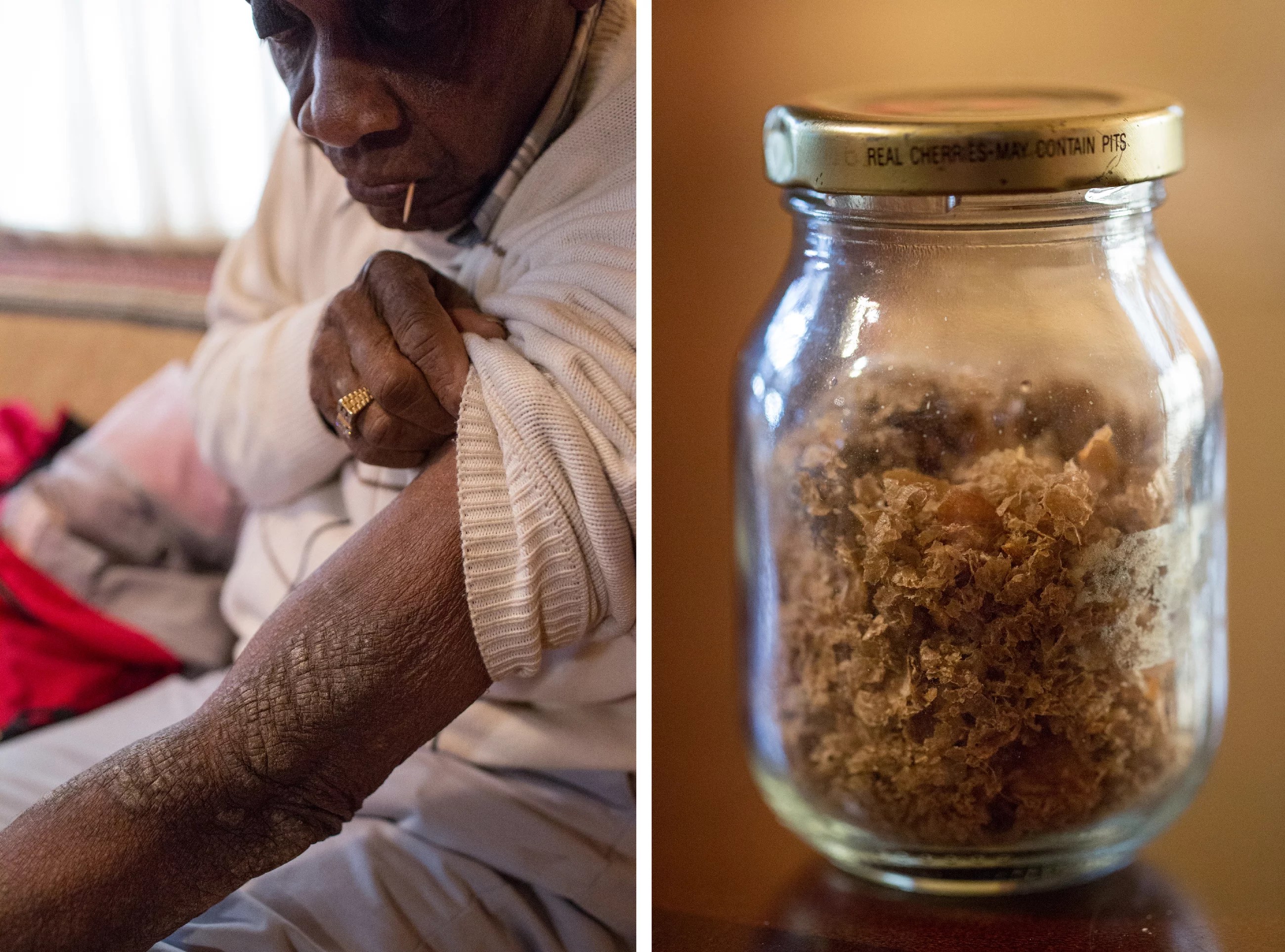
60,000 American service members were used for secret experiments by the Army to test mustard gas and other chemical weapons on, paid for by the government during World War II, including at least 9 race based experiments, 4,000 of the tests were full-bodied.
The experiments were secret so most of the soldiers don’t have documents or proof of the tests and that they were sworn to secrecy so they had no follow-up health care or any monitoring of their ailments.
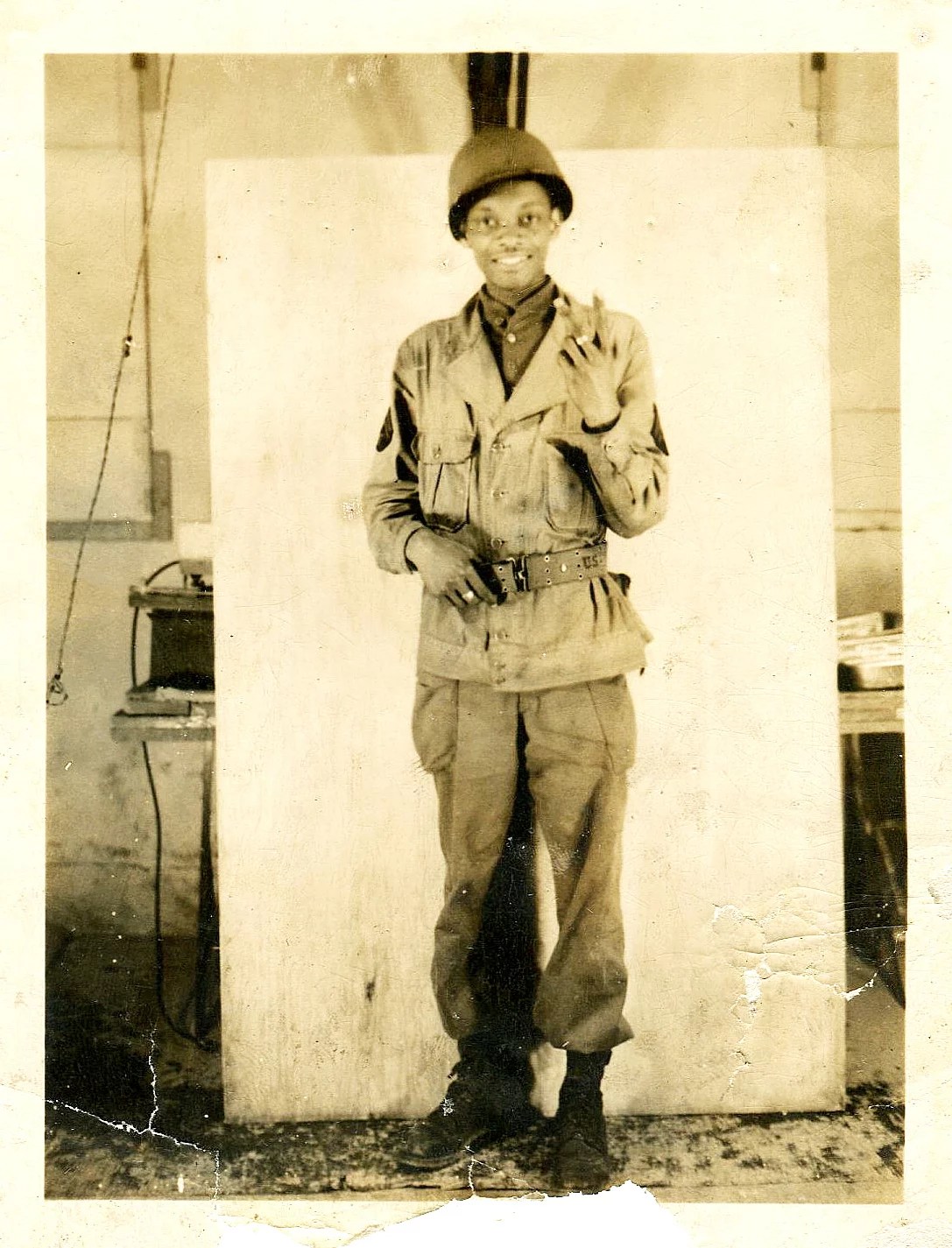
Courtesy of Rollins Edwards
Courtesy of NPR
Amelia Phillips Hale for NPR
Looking for the perfect “chemical soldier”
One of these studies was in Panama to see the effects of chemical weapon’s in a tropical climate. The files regarding the experiments were only declassified in 1993, restricting the veterans ability to access treatment for health issues and complications they’ve dealt with for decades.
Within seconds of contact, mustard gas damages DNA and only in 1991 did federal officials admit that the military used service members as test subjects for mustard gas.
Project 112 / SHAD
Some of the Tests
- Devil Hole I – testing how sarin gas would disperse from artillery shells and rockets in spruce and aspen forests.
- Devil Hole II – testing how VX nerve agent behaves when disperse with artillery shells, VX is one of the deadliest nerve agents known,
- Big Tom – tested spraying Bacillus globiggi, later discovered to be a cousin of the bacterium that causes anthrax, on the island of Oahu.
- Rapid Tan I, II, III – a series of tests in Canada and Britain using sarin and VX, as well as the nerve agents tabun and soman which are related and have similar effects.
Operation LAC
(Large Area Coverage)
The United States Army conducted a test in the 1950’s spraying a potentially toxic chemical in a poor and mostly minority community with 70% of the community being kids under 12 in St. Louis. Local politicians weren’t notified of the tests and neither were the residents of the community.
In Minneapolis the Army sprayed the same zinc cadmium sulfide, a potential carcinogen, over an elementary school.
Operation Seaspray
In the 1950s, the U.S. Navy tested the risk of aerial germ warfare by releasing a bacterium, Serratia marcescens, 2 miles off the Californian coast to test the susceptibility of a large city to a bio weapon attack by terrorists. Originally thinking the bacterium was harmless because it was found in the soil and suitable for such a test, that was changed when 11 people went to the hospital for UTI and upon testing the pee the doctors found a red hue, which became the first recorded outbreak of the bacterium.
Holmsburg Prison
”The Terrordome”
”All I saw before me were acres of skin. It was like a farmer seeing a fertile field for the first time.” -1996 interview with Philadelphia Inquirer
Dr. Albert Klingman
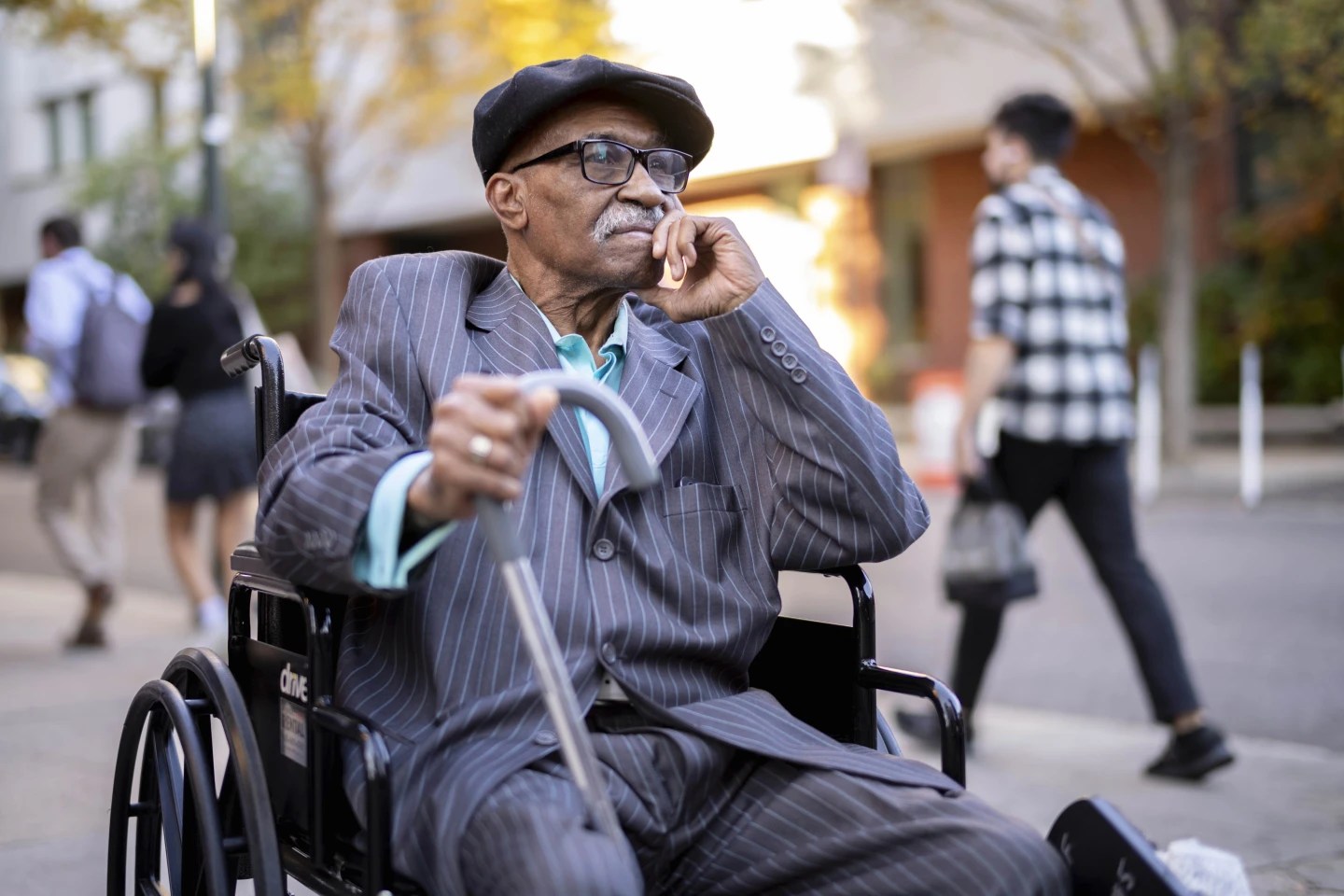
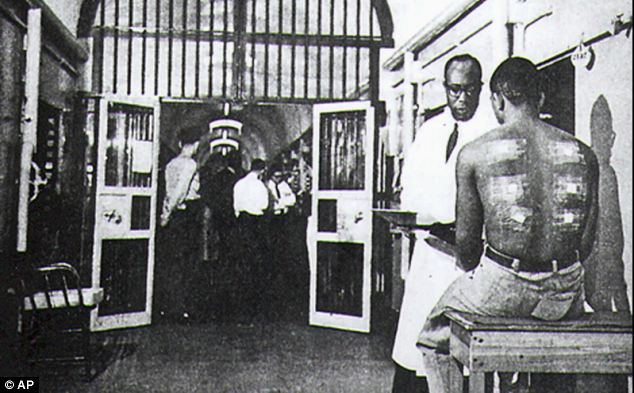
What started in 1951 as a dermatologist visiting the prison to diagnose athletes foot in prisoners turned into what’s been called ‘The Terrordome” and referred to as “acres of skin” in the namesake book,for all the testing of reactions to items on human skin.
‘The tests ranged from fade creams, moisturizers, perfumes and detergents all the way to radioactive isotopes, chemical warfare agents and even dioxin, famously used in agent orange.
Twisted Tests
Some of the tests would involve cutting a slit in the skin on the back of the prisoner, putting gauze in and sewing the skin back together. In another test the skin of a dead person was sewn onto the backs of prisoners to see if it would grow.

Work with us
Our mission is to challenge the status quo, embrace innovation, and create meaningful, lasting impact through everything we do. Driven by a vision to inspire change, push boundaries, we deliver work that truly makes a difference.
Project MKUltra
The CIA had a strong desire to learn how to conduct interrogations more effectively, to do that they and doctors under their employ would illegally experiment on Americans over the course of decades for the purpose of learning how to have a mind-control and chemical interrogation research program. The project had 149 subprojects involving more than 80 academic institutions, prisons and organizations.
The then CIA deputy director stated during a hearing for the Senate Health Subcommittee, that there were over 30 institutions and universities involved in the experimentation program of testing drugs on unknowing citizens “at all social levels, high and low, native Americans and foreign.”
During the 1950’s the CIA would start its use of secret detention centers (black sites) in Japan, West Germany and the Philippines to capture people suspected of being enemy agents and those deemed expendable so the CIA could use various forms of torture and human experimentation on them while being outside of the United States to avoid criminal prosecution. Some of the methods used include for interrogation after being given psychoactive drugs would be electroshock and subjected to extremes of temperatures, sensory deprivation and other similar techniques in order to develop a better method to destroy and control human minds.
 Albert B. Writin